
Geospatial AI and catastrophe modeling under one roof
-
2017Cambridge, Massachusetts
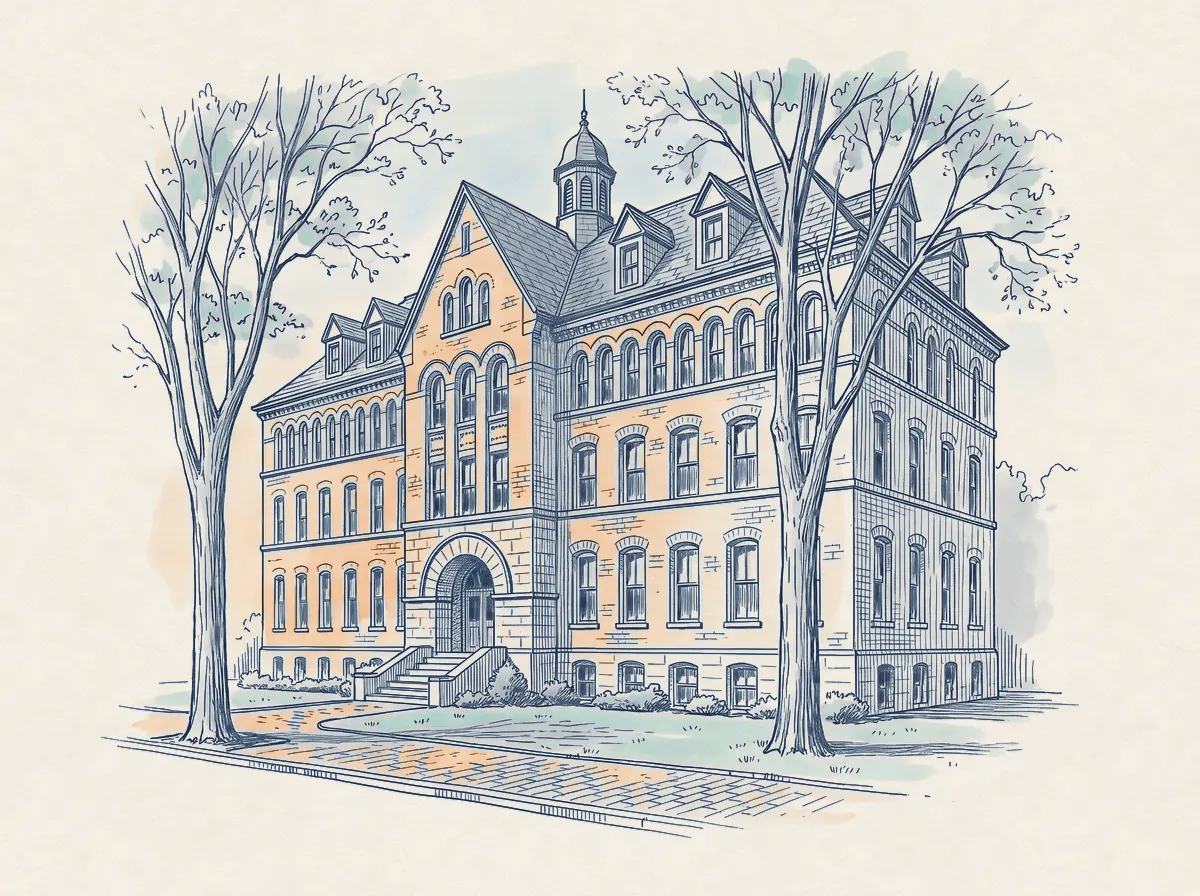
Harvard
Two of the cofounders begin their PhD program in Harvard’s Earth and Planetary Sciences Department. Both are applying Bayesian statistics and machine learning towards climate problems.
-
The years after
Aon, MLB, and NBA teams
Ted spends years building hurricane catastrophe models at Aon. The cofounding team’s applied machine-learning experience includes work for MLB and NBA teams.
-
2026Ann Arbor, Michigan
Downstream
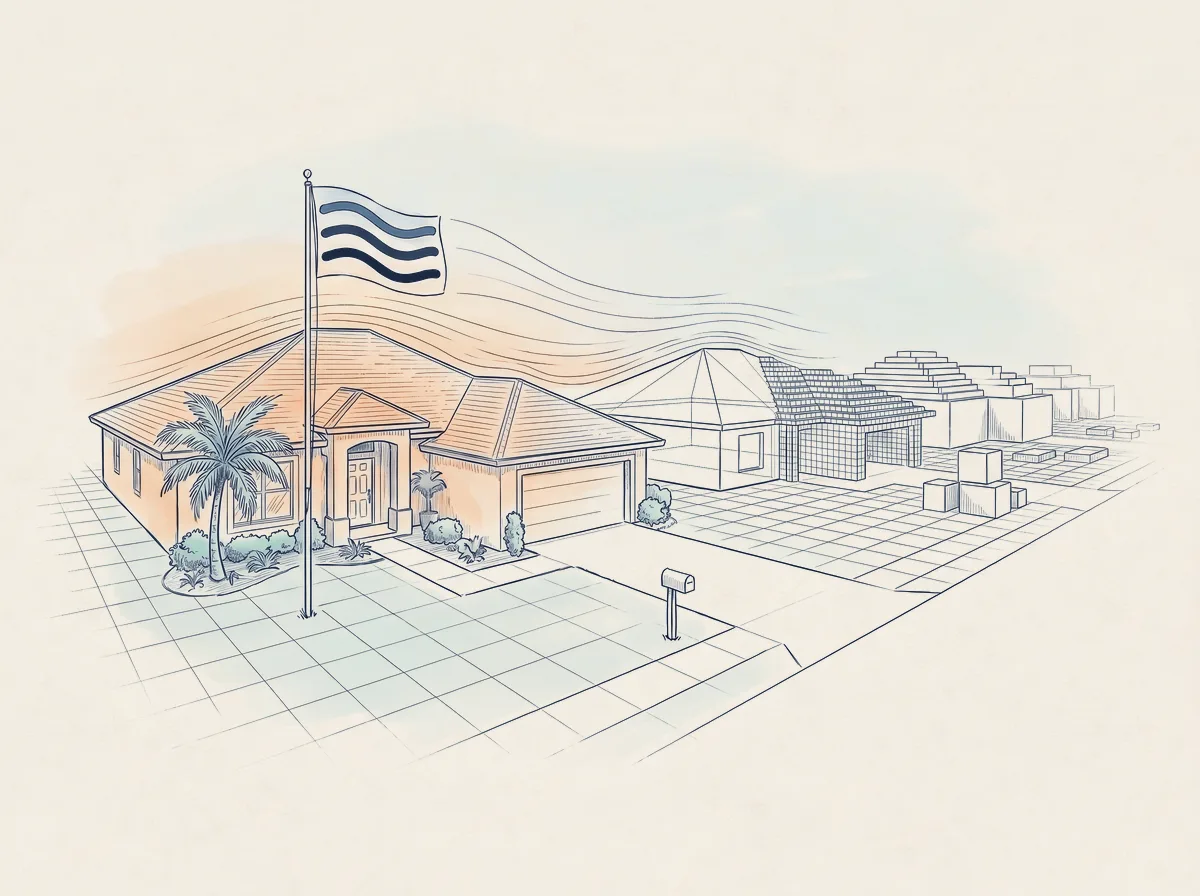
“Because there’s plenty of scientific research left to be done to prove out this hunch, I’m cofounding Downstream with two brilliant applied ML experts. Together, we’re going to listen closely to Nature.”
- Team
- Ted Amdur, cofounder and CEO, and two cofounders in applied machine learning. Training and operating experience from Harvard, Berkeley, Aon, MLB, and NBA teams.
- Built so far
- A hurricane wind model run across a 12-storm library, roof damage labels for millions of hurricane-affected properties, and a component-based simulator for structural wind vulnerability.
- In training
- The deep learning model that predicts the susceptibility modifier.
-
1992 to today
Why this is possible now
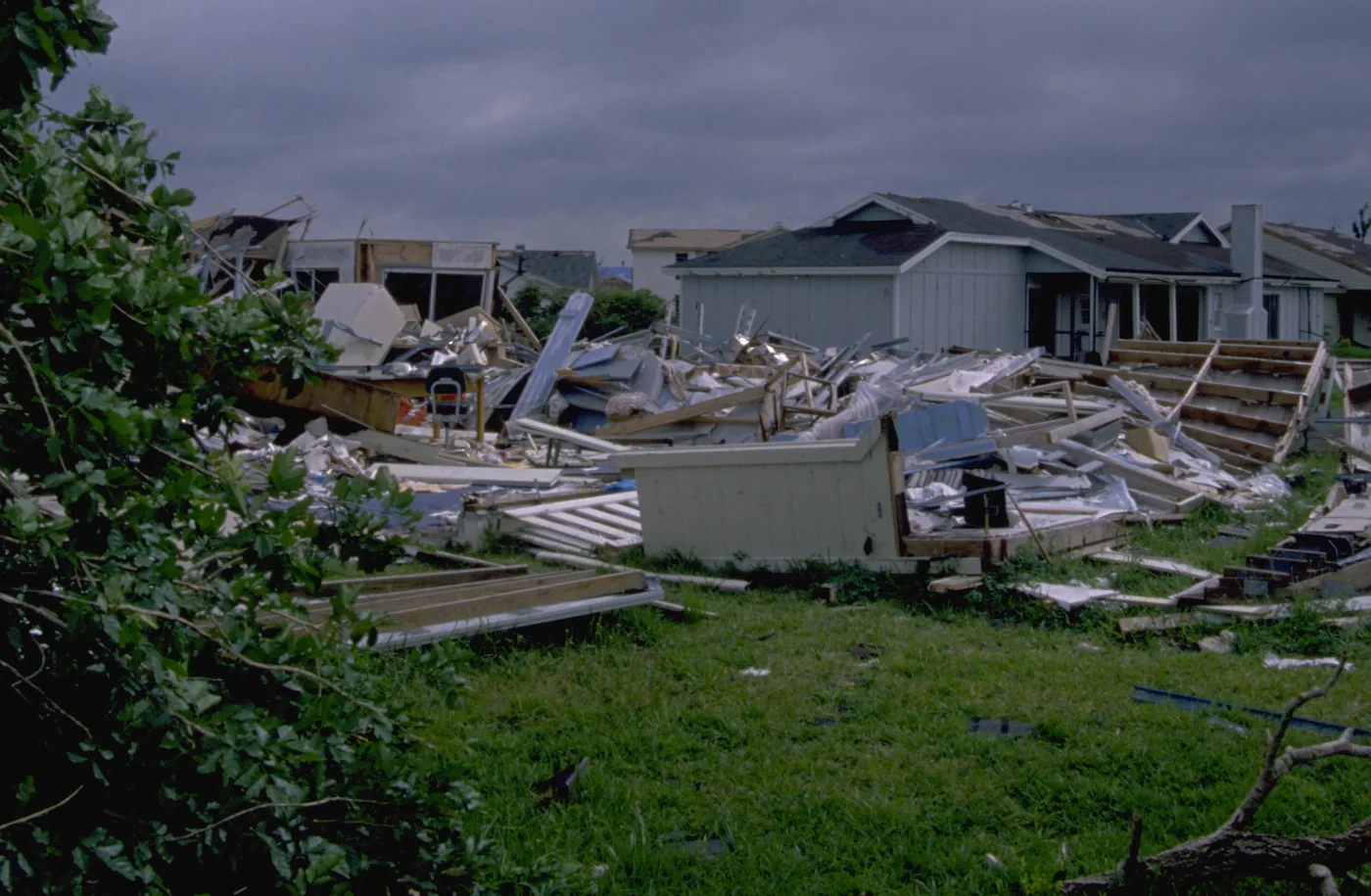
Survey crews after Hurricane Andrew in 1992 saw exposed houses fail beside sheltered ones. That effect could not yet be quantified house by house.
- Imagery
- High-resolution public aerial imagery now covers the coast before and after major landfalls.
- Computational tractability
- GPUs make massively parallel image processing possible.
- Deep learning
- Models built off of state of the art approaches, trained on millions of observed outcomes, can learn how the houses and trees around a building affect losses.
Get in touch
We love feedback. If you’re working through interesting problems in wind risk, let’s chat.
Updates by email
Sign up for monthly updates, new research releases, and live event analysis